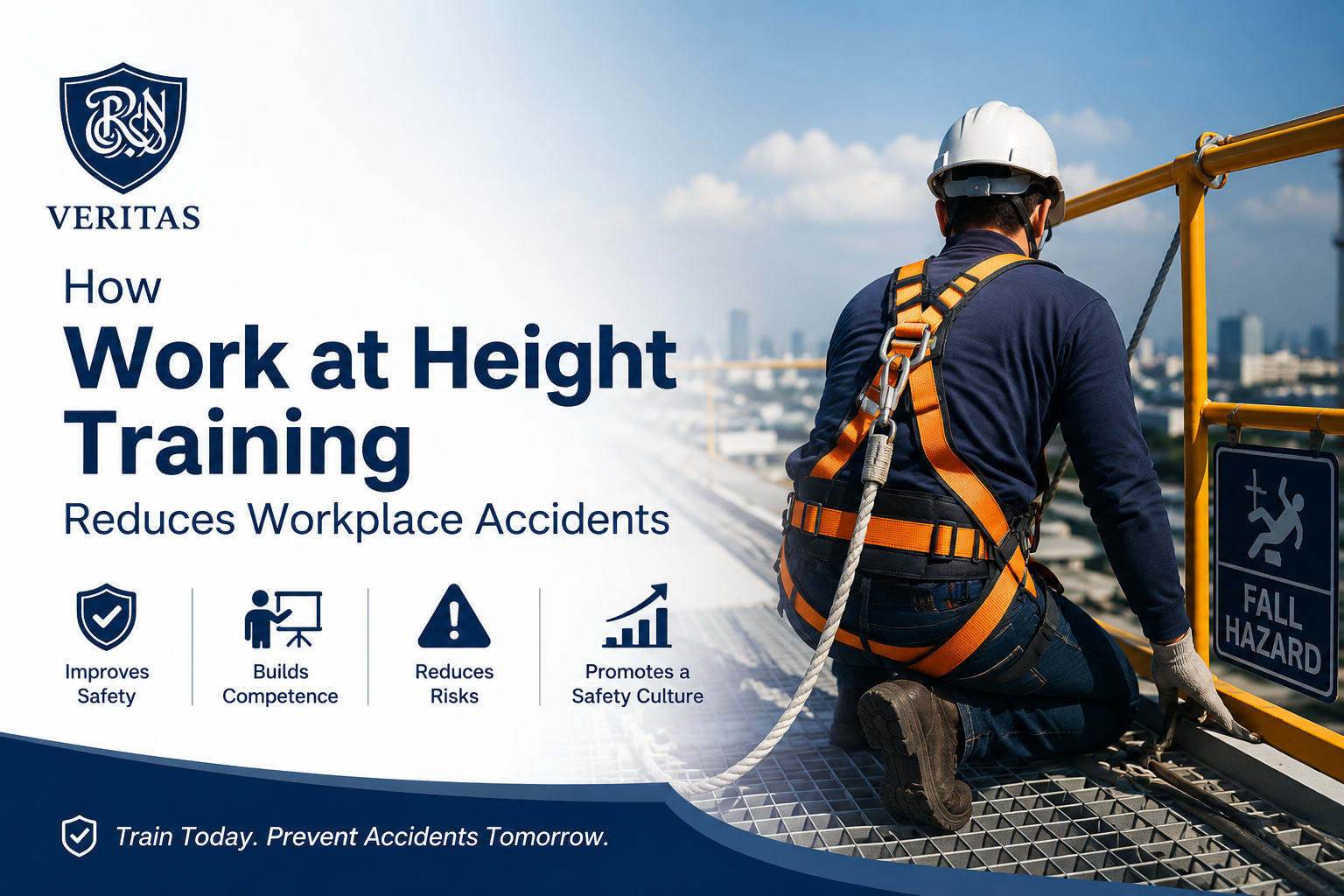
Workplace safety is really important for every organization. This is especially true for places like construction sites and warehouses where people have to work up. People who work in telecommunications and maintenance services also have to do jobs at heights. So do people who work in manufacturing facilities. When people work at heights they are more likely to fall and get hurt. Falls from heights are a reason for accidents at work all around the world. That is why it is so important to have safety rules in place.
One way to make things safer is to give people work at height training. When people know how to work safely high up they are less likely to have accidents. Organizations can really reduce the number of accidents that happen when they teach people about workplace safety and give them the skills and confidence they need to work at heights. This helps people get their work done and makes the workplace safer for everyone who works there. Workplace safety and work at height training are really important for making sure that people can work safely and productively. By doing work at height training organizations can make a difference and create a safer workplace, for all employees.
Understanding the Risks of Working at Heights
Working at heights is when you do a job in a place where you could fall and hurt yourself. This is stuff like being on ladders, scaffolding, rooftops, platforms that are high up and those lifts that take you up in the air. Even if you fall from a height that’s not really high you can still get really hurt, like break your bones, hurt your head, hurt your spine and sometimes it can even be fatal.
A lot of accidents happen at work because people do not think things are as dangerous as they really are. They use equipment that way or they do not follow the rules to stay safe. Things in the environment can also make it more likely that someone gets hurt like if the surface is slippery, the wind is strong it is hard to see or the structure is not stable. That is why it is so important for people to get training on how to work at heights so they can figure out what the risks are and do something about them before someone gets hurt. Work at height training is really important for employees to learn how to identify risks and manage them before something happens to them while they are working at heights.
The Importance of Safety Awareness
The main thing that training does is it helps people know what is going on. When employees know about the things that can happen when they are working high up they will be more careful and do what they are supposed to do to stay safe.
Training programs teach workers about the things that can happen, how to figure out if something is a risk and why it is so important to make sure everyone has a safe place to work. They learn how to see if something might be a problem before they start doing something and how to fix it if they need to.
When employees know more about the risks at work they will not do things that’re not safe. This helps stop accidents from happening. It helps make sure that everyone at work is looking out for each other and trying to be safe. Training is really important because it helps people know about workplace risks and it helps them know what to do to stay safe.
Proper Use of Fall Protection Equipment
Personal protective equipment is really important for workplace safety.. Safety gear only works if you use it right. Many accidents happen because workers don’t wear the equipment properly or don’t check it before using it.
In work at height training employees learn how to use harnesses, lanyards, anchor points, lifelines, helmets and other protective equipment. They also learn to check the gear for damage and make sure all parts meet safety standards.
When workers understand how fall protection systems work it’s less likely that equipment will fail. They will stay safe while doing their job. Personal protective equipment and fall protection systems are key to keeping workers protected.
Improved Risk Assessment Skills
Every worksite has its set of challenges and hazards. Before starting any job at height workers need to check their surroundings and find risks.
A good training program for working at heights teaches employees how to do a risk check. They learn to look at the working conditions, find hazards and put in place control measures to get rid of or reduce risks.
By getting better at assessing risks workers can make choices that make the workplace safer and reduce the chances of accidents. Employers also gain from having incidents, less downtime and lower costs, for worker compensation.
Enhanced Emergency Preparedness
Despite taking precautions, emergencies can still happen. Workers need to know how to act and do the right thing when there’s an accident or equipment breaks down.
Training programs cover things like what to do, emergency planning for rescues and how to communicate. Employees learn what to do if a coworker gets hurt, falls or needs help away.
Being prepared like this can really make a difference when things go wrong. A good emergency response means injuries, less panic and rescue operations that go smoothly.
Compliance with Safety Regulations
Many countries have rules about working at heights. Employers must make sure their workers have a place to work and get the right training.
Getting work at height training helps companies follow safety rules and laws. This keeps workers safe. Helps businesses avoid fines and damage to their reputation.
When workers know the rules they are more likely to follow procedures. This helps them stay safe while working.
Workers following practices every day is important. This is because it helps prevent accidents.
Employers should invest in work at height training. This training teaches workers how to stay safe while working at heights.
It also helps employers follow safety standards.
Building Employee Confidence
Fear and uncertainty can really affect how well workers do their job especially when they are working up high.
When employees do not get the training they can feel worried and this can lead to mistakes and bad choices.
Training helps workers get the skills and confidence they need to do their job
They learn about the equipment, procedures and what to do in an emergency so they can work better in situations.
As workers become more confident they can focus on their tasks. Also make sure they are working safely.
They are more able to do their job and still follow the safety rules.
Workers are more focused on their responsibilities. They do their job with a strong commitment to safety.
Reducing Costs Associated with Workplace Accidents
Workplace accidents cost businesses a lot of money. Medical bills, worker compensation claims, lawyer fees, damaged equipment and lost work hours can really hurt a company finances.
Training workers on how to work at heights is a smart and affordable way to cut down on these costs. By stopping accidents before they happen businesses can avoid disruptions. Keep things running smoothly.
When workers feel safe they are happier and more likely to stay with the company. This helps the business succeed in the run.
Creating a Strong Safety Culture
Safety should be an integral part of every organization’s culture. When management prioritizes employee well-being and provides proper training, workers are more likely to adopt safe behaviors and encourage others to do the same.
Regular work at height training sessions reinforce safety standards and keep employees updated on the latest industry practices. This ongoing commitment creates a workplace where safety becomes a shared responsibility rather than an afterthought.
A strong safety culture not only reduces accidents but also improves teamwork, communication, and overall organizational performance.
Conclusion
Workplace accidents involving falls from height can have devastating consequences for employees and businesses alike. However, many of these incidents are preventable with the right knowledge, equipment, and safety practices in place.
Work at height training empowers workers to recognize hazards, use protective equipment correctly, conduct risk assessments, and respond effectively to emergencies. By investing in proper training, organizations can significantly reduce workplace accidents, ensure regulatory compliance, and foster a culture of safety.
Ultimately, prioritizing employee safety is not just a legal obligation—it is a smart business decision that protects lives, enhances productivity, and contributes to long-term success.