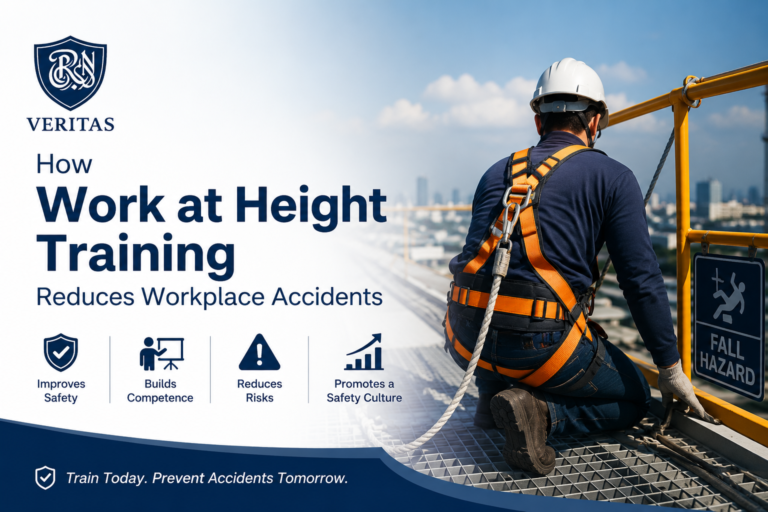
The construction industry is one of the growing sectors in the world, it creates thousands of job opportunities every year. The construction industry is also very dangerous. People have to work at heights every day. This is why Scaffolding Erector and Dismantle training is very important for workers who want to have a safe career in the construction industry.
Scaffolding Erector and Dismantle training is necessary for workers who want to work in the construction industry. Choosing the school to get this training is very important. A good school does not just teach you how to put up and take down scaffolding, it also teaches you how to work confidently. The school should teach you according to safety rules.
If you want to take a Scaffolding Erector and Dismantle course there are some things you should think about before you make a decision.
Why Is Scaffolding Erector and Dismantle Training Important?
Scaffolding gives workers a way to get to high places when they are working on construction, maintenance and industrial projects. If scaffolding is not put up or taken down correctly it can cause accidents, injuries, damage to property and delays in projects.
With Scaffolding Erector and Dismantle training workers learn how to:
- put up scaffolding
- take down scaffolding correctly
- find hazards
- calculate how much weight scaffolding can hold
- inspect scaffolding
- use safety gear
- respond to emergencies
A worker who has Scaffolding Erector and Dismantle training is more valuable to employers because they know about safety rules and what is best, in the industry. They know about Scaffolding Erector and Dismantle safety.
Look for an Institute with Industry Recognition
One of the first things to check is whether the training institute is recognized by reputed industry organizations.
A recognized institute usually follows updated safety guidelines and structured training methods. Certification from a trusted institute improves your credibility and increases your chances of finding employment in construction, oil and gas, infrastructure, power plants, and industrial maintenance projects.
Employers often prefer candidates who have completed professional training from a reputable organization rather than relying solely on work experience.
Check the Course Curriculum
A quality Scaffolding Erector and Dismantle course should cover both theoretical knowledge and practical training.
The curriculum should include topics such as:
- Types of scaffolding systems
- Components of scaffolding
- Scaffold foundation preparation
- Safe erection methods
- Safe dismantling techniques
- Risk assessment
- Scaffold inspection
- Working at height safety
- Fall protection systems
- PPE usage
- Emergency rescue procedures
- Legal safety requirements
Avoid institutes that focus only on classroom lectures. Practical exposure is equally important.
Practical Training Makes the Difference
Scaffolding is a hands-on profession. Reading manuals alone cannot prepare someone for real job site challenges.
Choose an institute that offers:
- Live scaffold erection practice
- Dismantling exercises
- Equipment handling
- Safety drills
- Inspection practice
- Real-world project simulations
Practical sessions help trainees build confidence before entering actual construction sites.
Evaluate the Experience of Trainers
Experienced instructors can make a significant difference in your learning journey.
Before joining, find out:
- How many years of industry experience the trainers have
- Whether they have worked on construction or industrial projects
- Their knowledge of international safety standards
- Their ability to provide practical demonstrations
Learning from professionals who have real site experience gives students practical insights that cannot be learned from textbooks.
Verify Safety Standards Followed During Training
A professional training institute should practice the same safety standards it teaches.
Observe whether trainees are using:
- Safety helmets
- Safety harnesses
- Safety shoes
- Gloves
- Reflective jackets
- Fall arrest systems
If an institute ignores safety during training, it may not provide quality education.
Check the Training Infrastructure
The quality of facilities directly impacts your learning experience.
Look for institutes that have:
- Dedicated practical training areas
- Different scaffold structures
- Modern training equipment
- Safety gear
- Demonstration models
- Inspection tools
A well-equipped institute allows students to gain practical experience using industry-standard equipment.
Small Batch Sizes Improve Learning
Training becomes more effective when instructors can give individual attention to each student.
Large batches often limit practical exposure because many students share the same equipment.
Smaller batches provide:
- Better interaction with trainers
- More hands-on practice
- Individual performance evaluation
- Better understanding of safety procedures
Always ask about the trainer-to-student ratio before enrolling.
Certification Matters
After successfully completing the course, you should receive a certificate that demonstrates your skills and knowledge.
Employers often request proof of professional training during recruitment.
A recognized certification can help you secure jobs in:
- Construction companies
- Oil and gas industries
- Refineries
- Power plants
- Manufacturing industries
- Infrastructure projects
- Shipyards
The right certification can significantly improve your career opportunities.
Read Student Reviews and Testimonials
One of the easiest ways to evaluate a training institute is by checking reviews from previous students.
Look for feedback on:
- Teaching quality
- Practical sessions
- Trainer support
- Facilities
- Placement assistance
- Overall learning experience
Positive reviews usually indicate that the institute consistently delivers quality training.
Placement Assistance Is a Big Advantage
Many leading institutes provide placement support after course completion.
Ask whether they offer:
- Resume preparation
- Interview guidance
- Job referrals
- Industry connections
- Campus recruitment
Placement assistance can be especially valuable for fresh candidates entering the workforce.
Compare Course Fees Wisely
Choosing the cheapest course may not always be the best decision.
Instead of focusing only on price, compare:
- Course duration
- Practical training hours
- Certification value
- Trainer experience
- Equipment quality
- Placement support
A slightly higher investment in quality training can lead to better career opportunities and higher salaries in the long run.
Flexible Training Schedules
Many candidates are already working when they decide to upgrade their skills.
A good institute may offer:
- Weekend batches
- Evening classes
- Fast-track courses
- Flexible schedules
These options make it easier for working professionals to complete their training without affecting their current job.
Ask Questions Before Enrolling
Before making your final decision, speak directly with the institute and ask important questions, such as:
- Is practical training included?
- How much time is spent on hands-on practice?
- What certification will I receive?
- Are trainers industry professionals?
- Is placement assistance available?
- What safety equipment will I use during training?
- What industries hire your graduates?
A transparent institute will answer your questions clearly and confidently.